
Nikkei: Apple has halted iPhone production for the first time in over a decade

For the first time since the pandemic started in 2020, supply chain constraints have forced Apple to halt production of its iPhone lineup. According to a report from Nikkei, Apple has had to stop the assembly line for the first time in more than 10 years “for several days” due to supply chain limitations and China’s ongoing power restriction. This is according to ”multiple sources with knowledge of the situation”.

Nikkei explains that this week is normally when Apple’s production goes into overtime to meet global demand for the holiday shopping season, but instead of workers getting extra shifts and 24-hour production schedules, workers have been getting time off.

For the first time since the pandemic started in 2020, supply chain constraints have forced Apple to halt production of its iPhone lineup. According to a report from Nikkei, Apple has had to stop the assembly line for the first time in more than 10 years “for several days” due to supply chain limitations and China’s ongoing power restriction. This is according to ”multiple sources with knowledge of the situation”.


One supply chain manager tells Nikkei “Due to limited components and chips, it made no sense to work overtime on holidays and give extra pay for front-line workers […] That has never happened before. The Chinese golden holiday in the past was always the most hustling time when all of the assemblers were gearing up for production."

Apple already cut back its iPhone 13 production projections in October. Even back in November, Apple had to give up iPad shipments to keep iPhone 13 production and that still wasn’t enough to prevent production from halting. Apple’s initial goal was to make 95 million iPhone 13 models in 2021, but that number dropped to around 83-85 million at the start of December.
One supply chain manager tells Nikkei “Due to limited components and chips, it made no sense to work overtime on holidays and give extra pay for front-line workers […] That has never happened before. The Chinese golden holiday in the past was always the most hustling time when all of the assemblers were gearing up for production."

Apple already cut back its iPhone 13 production projections in October. Even back in November, Apple had to give up iPad shipments to keep iPhone 13 production and that still wasn’t enough to prevent production from halting. Apple’s initial goal was to make 95 million iPhone 13 models in 2021, but that number dropped to around 83-85 million at the start of December.

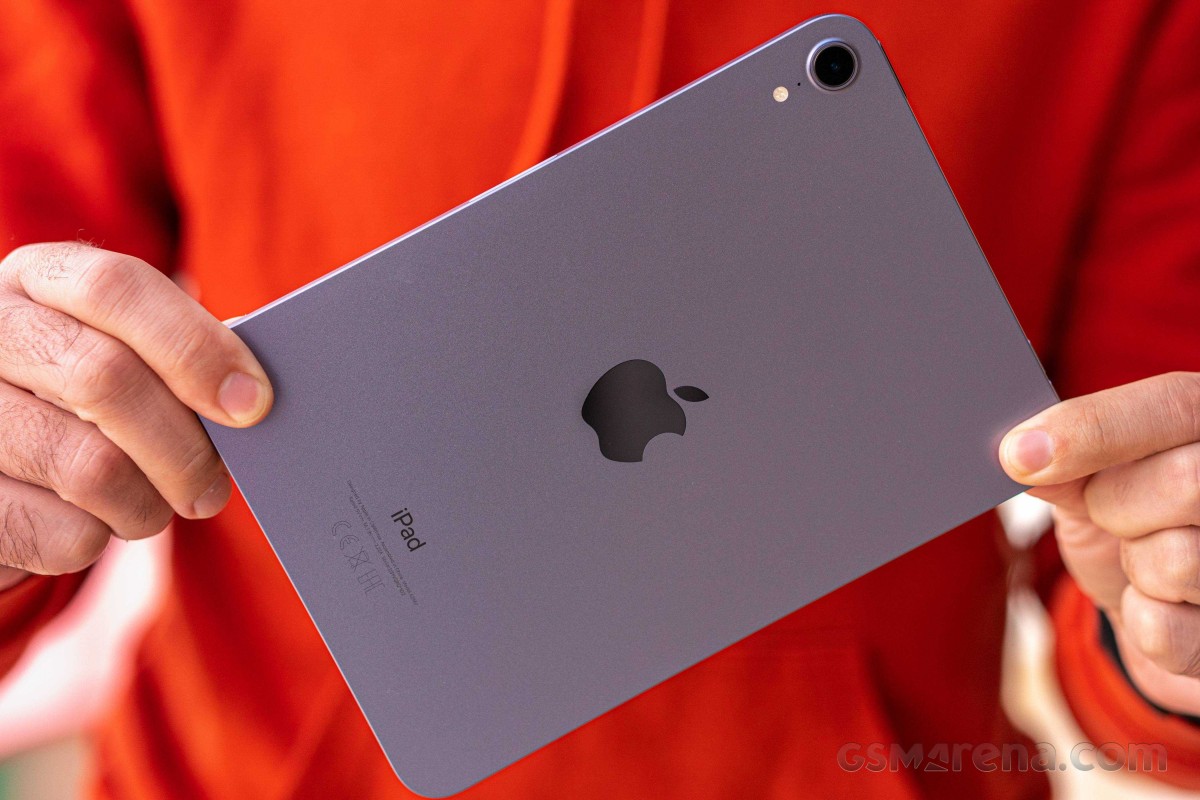
The iPad mini (2021) was announced at the same stage as the iPhone 13 lineup

September and October production of iPhone 13 models fell short of 20% of its initial goals according to Nikkei. Meanwhile, iPad production only achieved 50% of the volume expected in the same time frame. Production of older iPhones fell short 25%, and the situation wasn’t any better once November rolled around.

The full report from Nikkei offers a deeper dive into the individual suppliers of components of the iPhone 13 and the reason for their delay so be sure to check it out at the Source link. Delays are caused by a myriad of reasons including Malaysian and Vietnamese lockdown measures, unexpected power restrictions in China, shortages, production bottlenecks, increasing lead times on components, and more.6


Comments

Popular posts from this blog

Samsung Galaxy S22ultra gets 45W charger

  Samsung will bring back the 45W charging standard to its smartphones, starting with the   Galaxy S22 Ultra,   leakster Roland Quandt reveals. He shared an image of the new PD charger with the model number EP-T4510, which will obviously be sold separately. The travel charger will come with a USB-C to USB-C cable in the retail package, according to the leaked image. If the leakster is correct, this would mean we'll once again see a Galaxy smartphone with 45W charging. The last one was the  Galaxy S20 Ultra , introduced in February 2020. Back then the 45W charger would throttle extremely quickly and barely made any difference in charging speeds compared to the 25W one. The current 45W adapter looks very similar, and also comes with a USB-C to USB-C cable. The main difference on the outside is the smaller size of the upcoming EP-T4510 compared to the current EP-TA845XBNG. The included cable will be 1.8 meters long, which is longer than the current 1-meter cable. The cu...

Pi Coin listened on Huobi Wallet

User Huobi Opens Pi (Pi Network) Spot Trading, Remarkable Price At $60 7h ago • CoinCu Bullish: 1 Bearish: 0 Share Huobi Opens Pi (Pi Network) Spot Trading, Remarkable Price At $60 Key Points: Pi (Pi Network) spot trading (PI/USDT ) is now available on the Huobi exchange. Huobi is the second exchange to list Pi currency after XT.com. Pi Network has officially listed on the Huobi exchange, according to the latest statement, Huobi announced it will be opening Pi (Pi Network) spot trading (PI/USDT ) at 09:00 (UTC) on December 29 . Huobi Opens Pi (Pi Network) Spot Trading, Remarkable Price At $60 3 days ago, Coincu reported that Huobi announced it will follow up closely with updates to review Pi for listing at the soonest. On the same day, XT.COM also announced that PI(Pi Network) would be listed on its exchange. Pi Network recently seems to be a finishing line in a race of listing to some exchanges, XT.COM release an announcement yesterday, saying the Pi has been listed as the PI/USDT pai...

Nigeria Gears Up for a Digital Revolution: The New Naira Stablecoin Arrives

Get ready, Nigeria! The future of finance is knocking on your door, and it comes in the form of a gleaming new digital asset: the **cNGN stablecoin**. This groundbreaking initiative, spearheaded by the Africa Stablecoin Consortium (ASC) and backed by the Central Bank of Nigeria (CBN), is poised to revolutionize the way Nigerians transact, save, and invest. **What is a stablecoin, you ask?** Imagine a cryptocurrency tethered to the Nigerian Naira, its value always remaining rock-steady at 1 NGN = 1 cNGN. This stability, unlike the rollercoaster ride of regular cryptocurrencies, is achieved by backing the cNGN with actual Naira reserves held in designated Nigerian banks. Think of it as a digital Naira tucked away in a secure vault, readily available for online transactions. **So, what's the big deal?** The benefits of the cNGN stablecoin are numerous and far-reaching: * **Faster, cheaper cross-border payments:** Sending money to loved ones abroad will no longe...